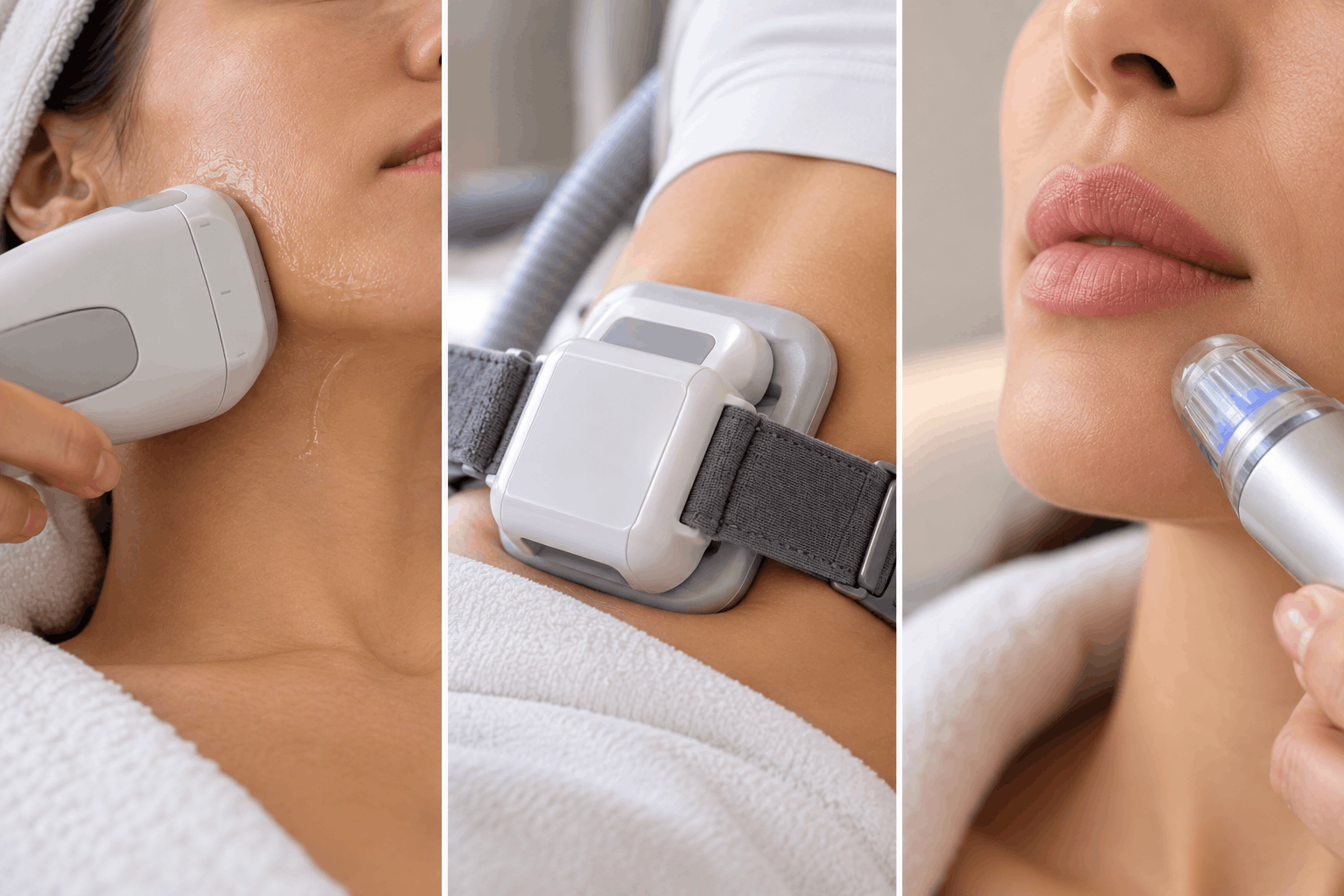
HIFU vs a Surgical Facelift: Is Non-Surgical Skin Tightening Right for You?
HIFU uses focused ultrasound energy to lift and firm skin gradually without surgery. On the other hand, a facelift physically repositions tissue for a faster, more dramatic result. While HIFU essentially suits early to moderate sagging, a facelift suits more advanced cases. Confused between the treatment options that could work for you? Book your consultation today.
A slight softness along the jaw, skin that used to sit a little tighter around the neck. You’ve noticed these changes in photos before you noticed them in the mirror. And now, you’re stuck between two very different paths – booking a consultation for a surgical facelift, or looking into a non-surgical option like HIFU first.
Although it’s a genuinely fair question, the right answer depends more on what your skin actually needs right now, less on what’s trending on social media.
What is HIFU?
HIFU, i.e., High-Intensity Focused Ultrasound, is a non-surgical skin tightening treatment growing in popularity across Melbourne. The procedure serves to send focused ultrasound energy down to the same structural layer a surgeon would lift during a facelift. No scalpel is involved. That energy nudges your body into producing fresh collagen, and the lift starts building gradually from there.
The honest difference between the two
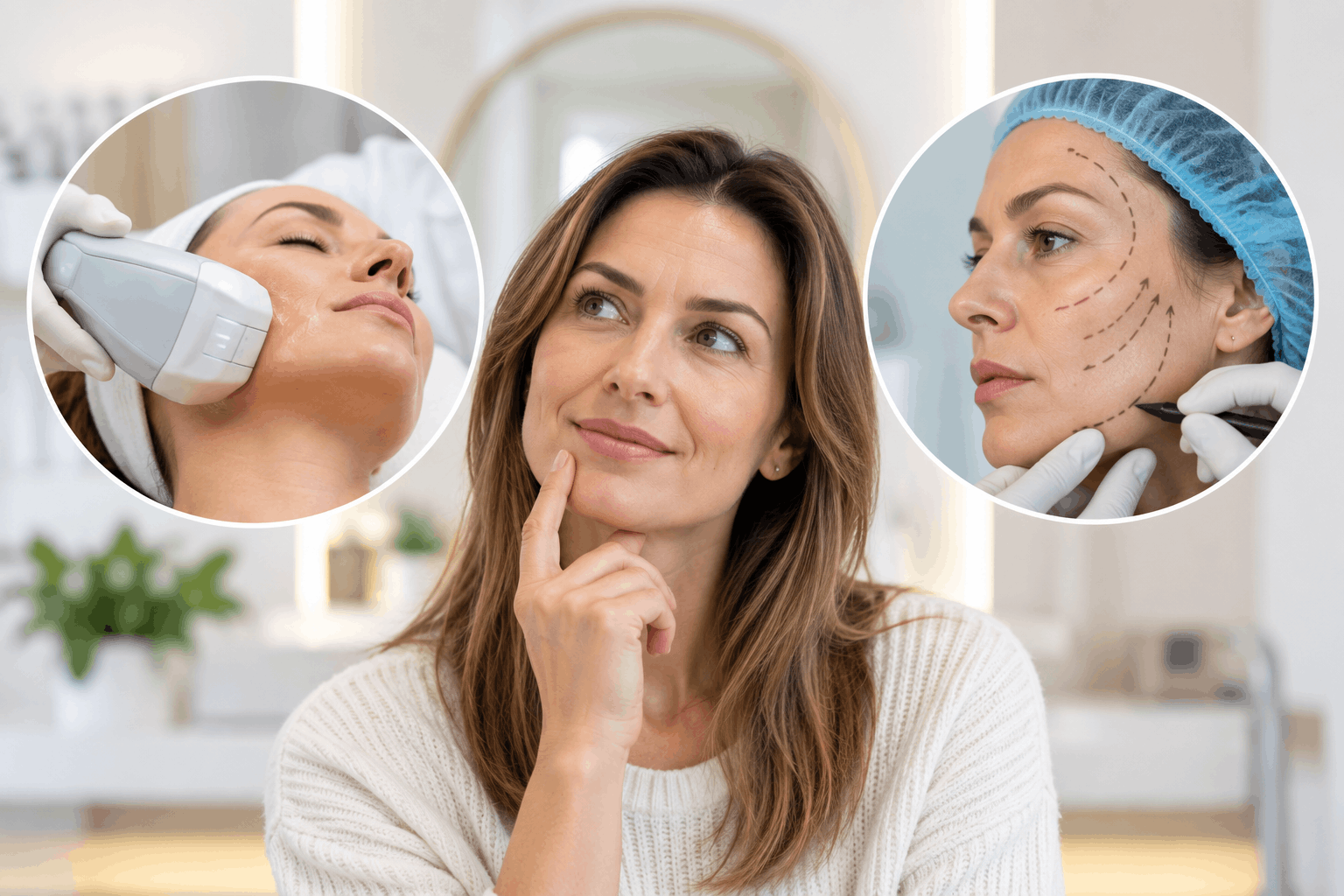
A surgical facelift gives you speed, as it physically repositions the tissue under anaesthesia, so the change is visible almost immediately. The speed, however, comes with real recovery time, scarring risk, higher cost, and weeks away from normal life.
That’s where HIFU distinguishes itself. It trades the immediacy for a gentler, more gradual process. Your own collagen production does the heavy lifting, which means multiple things together.
- Results build steadily over two to three months
- No incisions, no anaesthesia, no lengthy downtime
- A subtler, more natural-feeling outcome overall
- Lower cost and lower risk than a surgical procedure
While the former delivers immediate effect and the latter delivers a gradual change, neither is universally better. It comes down to how advanced your skin laxity actually is. Early to moderate sagging tends to respond well to HIFU treatment. More significant changes may genuinely call for a surgical opinion instead.
Whatever the best alternative is for your skin, a trusted practitioner will always tell you honestly rather than oversell a result that HIFU was never designed to deliver.
What tends to trip people up
Most disappointment around HIFU comes down to mismatched expectations, not the treatment itself falling short. So here are a few things worth knowing before you book.
- One session won’t replicate what surgery achieves, and that’s not a flaw, simply a different tool for a different stage of ageing.
- Skipping the consultation and assuming you’re automatically a good candidate can lead to a treatment plan that doesn’t actually suit your skin type.
- Pairing HIFU with consistent sun protection and hydration between sessions helps your skin make the most of the collagen it’s actively rebuilding underneath the surface.
How the treatment actually works
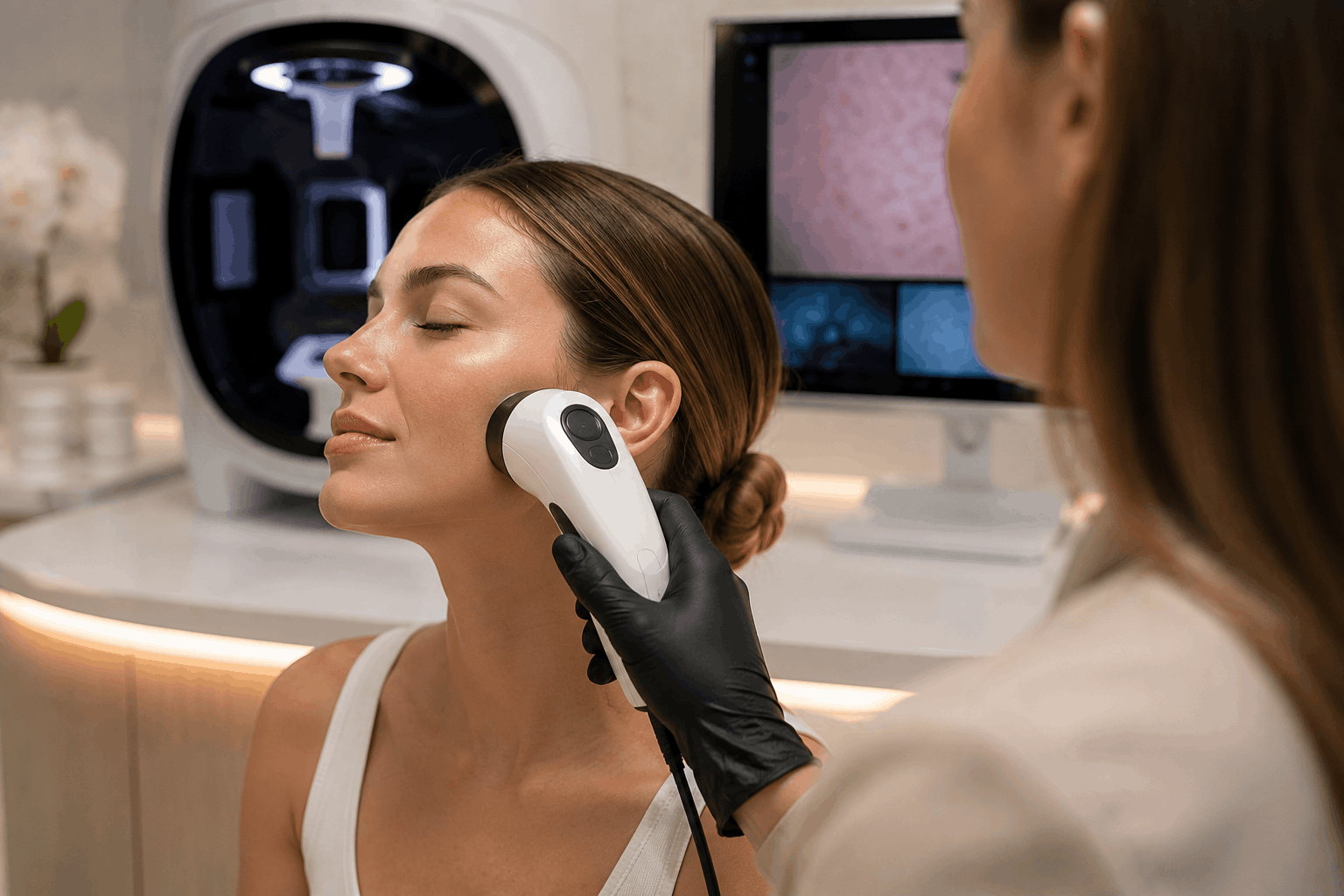
Multiple depth settings allow RN Suhee Shin to target different tissue layers, depending on your specific concern, whether that’s your forehead, jawline, or neck area. Most clients feel gentle warmth as the ultrasound energy reaches each depth, and walk out the same day with little to no visible downtime.
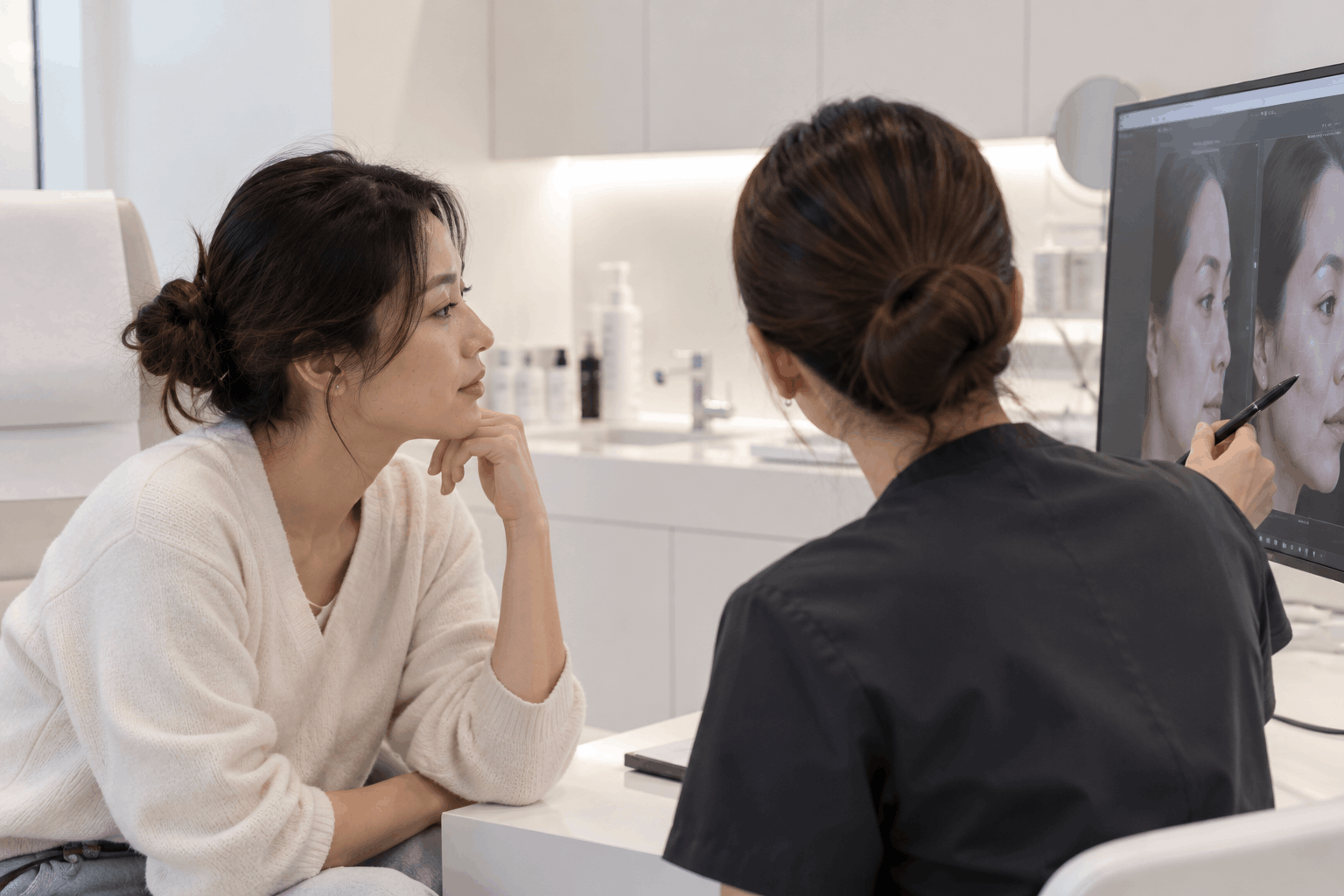
Here’s what a typical HIFU journey at our Balwyn clinic looks like.
Consultation
Suhee assesses your skin’s condition and talks through what’s genuinely realistic for your face, not a generic promise.
Treatment
Session length varies depending on the treatment area and depth settings used.
The wait
Collagen rebuilds gradually, so your fuller result takes a couple of months to fully show.
Frequently Asked Questions
Is HIFU as effective as a facelift?
Not in the same way. HIFU delivers a gradual, natural-looking lift suited to early or moderate sagging, while a surgical facelift offers a faster, more dramatic change for advanced concerns. When you book a consultation with us, we will help you decide which approach genuinely matches your skin’s condition.
How many HIFU sessions will I actually need?
Some clients see enough improvement from a single session, while others may need or prefer a short course spaced a few months apart to build and maintain results. At Advanced Beautytech Laser Clinic, RN Suhee will confirm the right number of HIFU sessions based on your skin during consultation.
Does HIFU treatment hurt?
Most people feel mild warmth or light tingling rather than genuine pain during a HIFU session, and there’s usually no need for numbing cream beforehand. We discuss your discomfort during the consultation and manage the same before the actual treatment begins at our clinic.
Can I combine HIFU with other skin treatments?
Yes, HIFU is often paired with skin quality treatments like rejuran, so you’re addressing both structural firmness and overall texture within one coordinated plan. As your practitioner, we will advise whether combining treatments suits your goals and skin condition.