327 Whitehorse Road Balwyn VIC

Author: advancebeauty_admin

Why Standard Skin Assessments Miss Underlying Damage (And How We Evaluate Differently)

Your skin can look fine on the surface while real problems keep developing underneath. A short consultation focused on what is visible misses the factors that actually drive skin concerns and quite often leads to treatments that produce temporary results rather than lasting ones.

You might already be experiencing:

  • Fine lines appearing earlier than expected.
  • Uneven skin tone that persists despite a consistent skincare routine.
  • Treatments that improve things briefly before the concern returns.
  • Recurring skin issues that never fully resolve.

As a reputable beauty clinic in Melbourne, Advanced Beautytech believes every treatment should start with a proper understanding of your skin rather than assumptions based on how it looks on the day. This guide explains why standard assessments miss what matters, what a thorough evaluation actually covers, and how getting that foundation right changes the results you can expect from treatment.

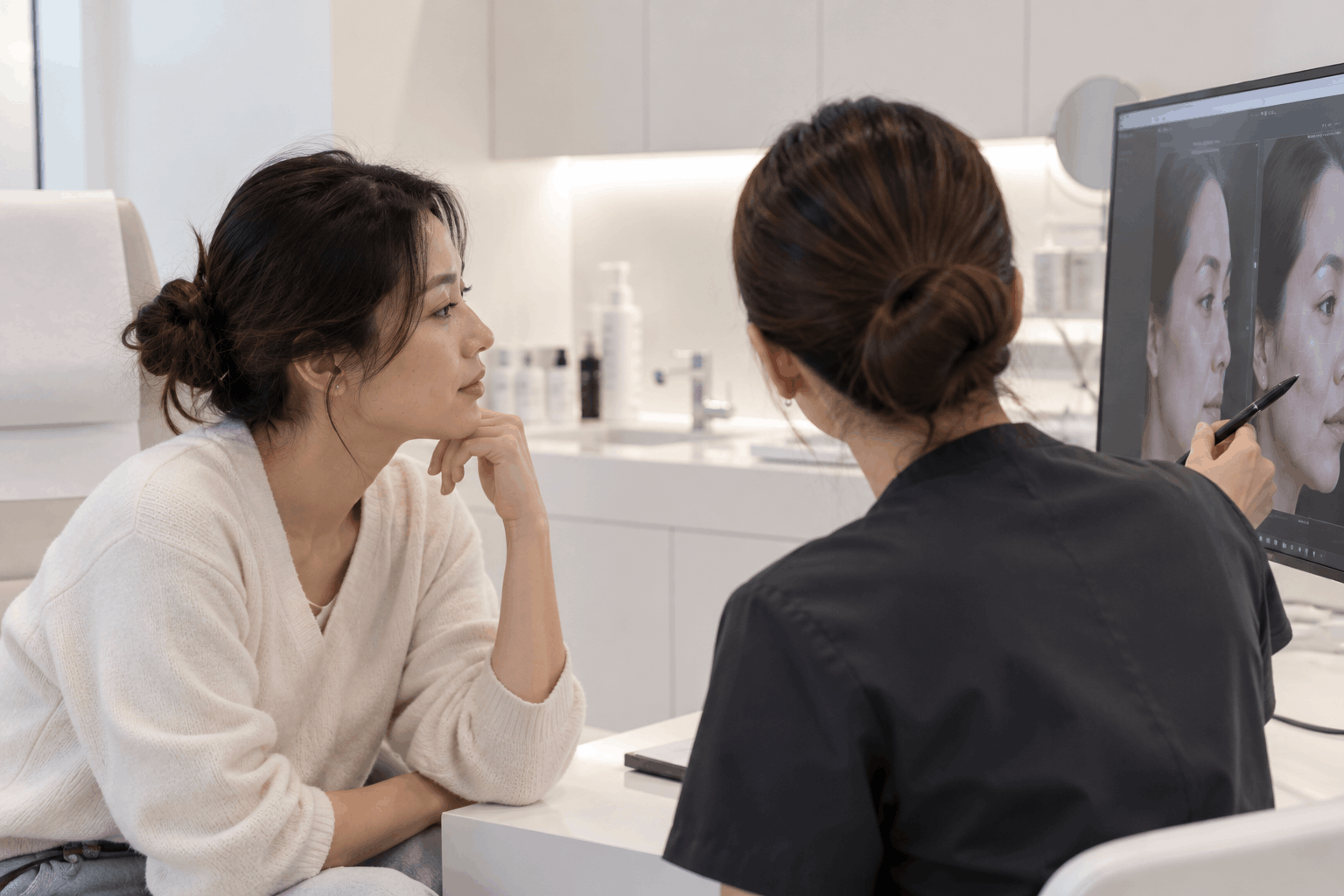
Standard skin assessments quite often identify visible concerns without investigating what caused them. An experienced beauty clinic looks at skin health, lifestyle, treatment history, and long-term goals before recommending anything. Experts like Advanced Beautytech follow this approach because treating what is visible without understanding what is underneath produces results that do not last.

Why Can A Standard Skin Assessment Miss Hidden Skin Damage?

A standard consultation sees what is there. It quite often does not explain why it is there.

Fine lines, pigmentation, and redness all get noted during a brief appointment. What those observations do not reveal is what is happening beneath the surface. Reduced collagen support, impaired skin barrier function, and cumulative sun damage are not visible in a quick assessment, but they shape how skin responds to treatment and how long those results hold.

Two people sitting in the same chair with the same visible concern can have completely different underlying causes. Pigmentation alone can trace back to long-term UV exposure, inflammation, hormonal shifts, or previous cosmetic procedures. Treating the visible pigment without identifying which of those is driving it quite often produces short-term improvement and then the same concern returning.

What most consultations also miss is the broader picture. Previous treatments, skincare habits, occupational sun exposure, and how the skin recovers between procedures all influence what treatments are appropriate and in what order. None of that information surfaces in a ten-minute appointment focused on what can be seen.

Understand Your Skin Before Treatment

What Should A Comprehensive Skin Assessment Actually Evaluate?

What can be seen with the naked eye is a starting point, not a complete picture.

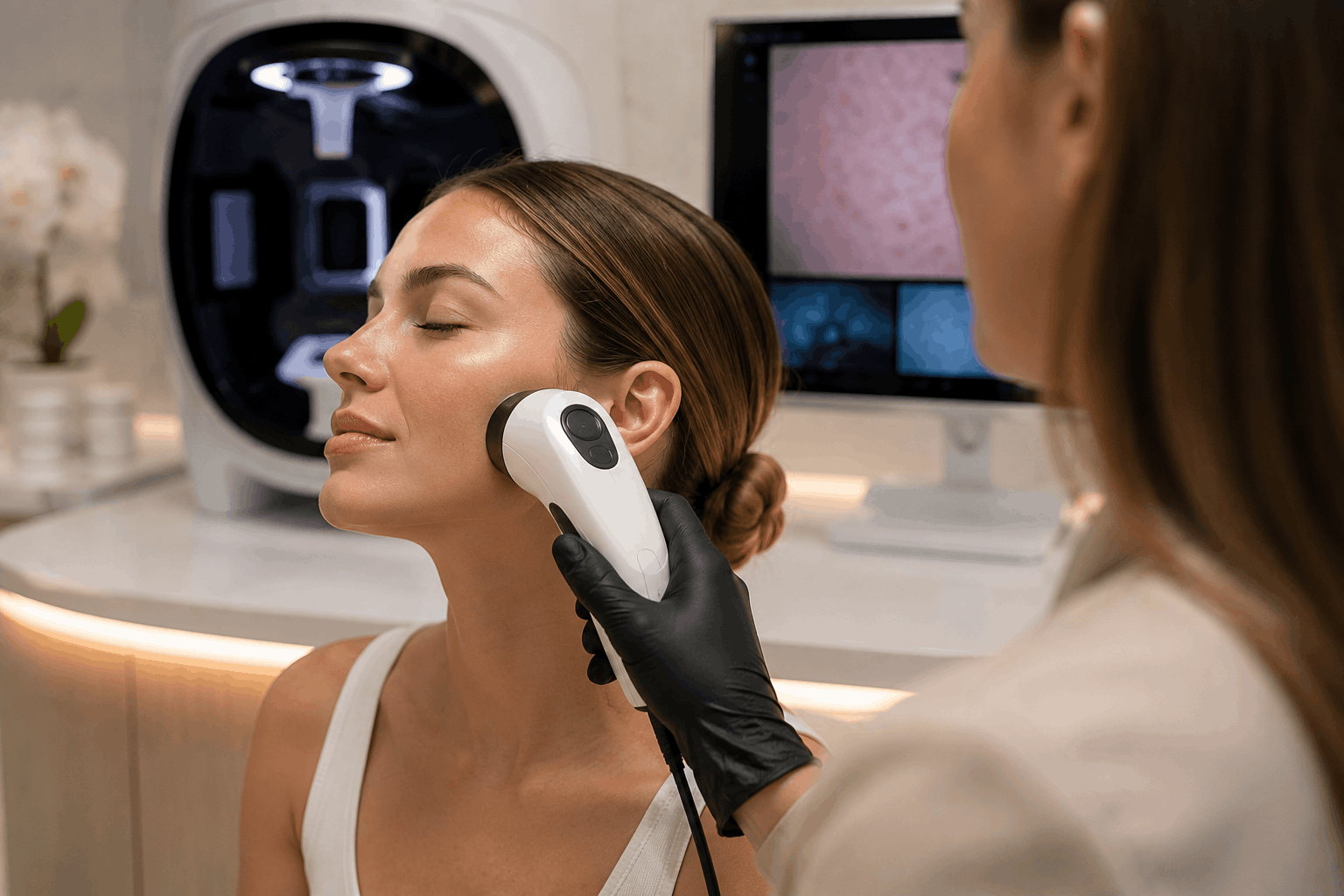
At Advanced Beautytech, skin evaluations work through multiple factors before any treatment recommendation is made:

  • Skin texture and current hydration levels.
  • Pigmentation patterns and distribution.
  • Elasticity and the condition of collagen support underneath.
  • Sun damage history across the years, not just what is currently visible.
  • Lifestyle factors that affect skin health day to day.
  • The current skincare routine and how the skin is responding to it.
  • Previous cosmetic treatments and how the skin recovered.
  • What the patient actually wants to achieve and over what timeframe.

Looking at those elements together produces a different picture than any single visible concern does on its own.

People considering HIFU for skin laxity, for example, may benefit more from addressing hydration and barrier health first if those issues are limiting what the treatment can actually do. People interested in IPL treatment in Melbourne for pigmentation quite often achieve better long-term results when the trigger behind the pigmentation is identified before the first session rather than discovering it when the concern returns.

Why Doesn’t One Treatment Suit Every Patient?

Because skin does not age the same way in every person, and two patients with identical visible concerns can have completely different causes behind them.

Age, genetics, UV history, lifestyle, previous procedures, and skin sensitivity all shape how skin behaves and how it responds to treatment. A treatment plan built around what is visible rather than what is causing it is working with incomplete information.

Skin Concern

Possible Underlying Cause

Assessment Consideration

Fine lines

Collagen loss or dehydration

Assess skin quality before selecting treatment

Uneven pigmentation

Sun exposure, inflammation, or hormones

Identify the trigger rather than treating appearance alone

Rough texture

Reduced cell renewal or previous acne

Evaluate overall condition before resurfacing

Skin laxity

Loss of collagen and elastin

Determine whether tightening or collagen stimulation is the priority

Sequencing matters just as much as treatment selection, and this is the detail most general skin advice skips. In some cases, improving the skin barrier or reducing inflammation before any procedure creates a stronger foundation for what follows. The treatment works better and the result holds longer because the conditions underneath were addressed first.

How Do We Pair Skin Concerns With The Right Treatment Plan?

Every treatment is recommended based on assessment and not based on what’s popular.

After the evaluation, all skin conditions, treatment goals, recovery preferences and cosmetic history are considered before anything is suggested.

In practice this means:

  • HIFU may be better for reduced skin firmness If the main goal is to stimulate collagen and the skin is ready to respond well to it.
  • Fractional RF may be more effective for acne scarring or texture irregularities depending on the skin type and how the skin heals between sessions.
  • Laser skin resurfacing is effective for treating surface pigmentation and sun damage but improving overall texture is as important as treating the pigment itself.
  • Skin needling may be more suitable for patients who are looking for gradual collagen support with little disruption, depending on the assessment.

The focus is on the right treatment at the right stage, not on recommending more treatments than the skin actually needs.

Why Long Term Skin Planning Is More Effective Than Treating Individual Concerns

Skin changes gradually. When one visible concern is addressed without consideration of the overall health of the skin it often results in immediate improvement while other underlying concerns continue to develop in the background.

A structured skin plan works on the basis of:

  • Current skin condition and what it can support right now.
  • Preventing future damage as well as treating existing conditions.
  • Timing the seasons to work with skin rather than against it.
  • Time to recover between procedures so that the skin is ready for what’s next.
  • Treatment intervals according to the skin’s response are realistic.
  • Long term maintenance once the primary concern is dealt with.

Timing influences results more than most quick consultations acknowledge. Scheduling procedures around sun exposure, recovery times, and routine occurrences influences comfort and results. 

Comparison: Standard Assessment vs Comprehensive Skin Evaluation 

Standard Assessment

Comprehensive Skin Evaluation

Focuses mainly on visible concerns

Evaluates visible and underlying skin health

Based on a single short consultation

Considers skin history, lifestyle, and treatment goals

May recommend treatment quickly

Matches treatment to the cause of the concern

Limited long-term planning

Builds a staged treatment strategy where appropriate

Reviews current concerns only

Considers prevention, maintenance, and future skin health

Build A Treatment Plan That Lasts

Conclusion

To make skin better permanently, you need to know why a problem exists. Choosing an experienced beauty clinic in Melbourne means you will receive an assessment that will consider your skin’s condition, history and goals before anything is recommended.

At Advanced Beautytech, every assessment is based on the individual skin conditions. Our team can offer you a full assessment of your skin to help you make informed decisions before you decide on a treatment.

FAQs

How long does a professional skin assessment usually take?

Longer than a standard consultation. A thorough evaluation works through skin concerns, medical and treatment history, lifestyle factors, current skincare routine, and treatment goals before discussing options. That process cannot be rushed without missing information that affects what gets recommended.

Should I stop using my skincare products before an assessment?

Usually not. Your normal routine gives the practitioner useful information about how your skin responds to active ingredients and where adjustments might help. Specific instructions will be provided if there is a reason to change anything beforehand.

Can a skin assessment change my original treatment choice?

Yes, and that is part of what makes it valuable. If the evaluation finds that a different treatment better suits your skin condition or long-term goals, that will be discussed openly before any decision is made. The assessment is there to inform the choice, not confirm a preference that was formed without full information.

How often should my skin be reassessed?

Skin changes over time with ageing, seasonal conditions, lifestyle shifts, and the effects of previous treatments. Periodic reassessment allows the treatment plan and skincare recommendations to adjust as your skin’s needs evolve rather than continuing with an approach that was right twelve months ago but may not be now.

What Is Fractional RF And How Does It Help With Skin Resurfacing?

Skin concerns like acne scars, uneven texture, and early skin laxity rarely respond well to skincare products alone. Many people research advanced treatments but find it hard to work out which technology actually targets the root cause.

Common frustrations include:

  • Surface treatments that never reach the deeper skin layers where the real change happens.
  • Some treatments improve texture but do nothing for skin tightening.
  • Results that vary depending on the technology and how well the treatment is planned.

Advanced Beautytech uses Fractional RF as part of a considered approach to skin rejuvenation, addressing multiple concerns through collagen stimulation and controlled skin remodelling. This article covers how Fractional RF works, what it treats, and how it sits alongside other resurfacing options.

Fractional RF is a skin resurfacing treatment that delivers radio frequency energy through microscopic treatment points to stimulate collagen production beneath the skin. It is used to improve acne scars, enlarged pores, skin texture, fine lines, and mild skin laxity. Experts like Advanced Beautytech use this approach as part of treatment planning focused on long-term collagen remodelling rather than surface-level results.

What Is Fractional RF And How Does It Work?

Fractional RF sends radio frequency energy into targeted zones beneath the skin through tiny treatment points, which stimulates the body’s own repair response.

The term “fractional” means that only a fraction of the skin is treated during each session, leaving the surrounding tissue unaffected. This approach allows for a faster recovery but still stimulates the production of significant amounts of collagen. 

Most resurfacing methods work on the skin surface, whereas Fractional RF goes into the dermis, where collagen and elastin are actually produced. That’s what gives it a lot more depth than most of the surface-level options.

How Does Fractional RF Help With Skin Resurfacing?

Fractional RF is better for skin resurfacing since it promotes the skin to regenerate from the inside out rather than simply just addressing what’s on top. The treatment produces controlled thermal activity below the surface, triggering a collagen remodelling process that continues long after the session is over. 

Skin texture tends to become smoother and firmer as that new collagen develops over time. People seeking RF Skin resurfacing typically walk in with concerns such as:

  • Acne scarring.
  • Fine lines and wrinkles.
  • Enlarged pores.
  • Uneven skin texture.
  • Mild skin laxity.

Because the improvements build gradually, the results tend to look natural rather than sudden.

How Is Fractional RF Different From Traditional Laser Treatments?

The core difference comes down to the energy source and how it interacts with the skin. Laser skin resurfacing in Melbourne uses light-based energy directed at specific skin targets. Fractional RF uses radio frequency energy to generate controlled heat beneath the skin, working independently of skin pigment. 

That distinction matters practically, because it makes Fractional RF suitable across a broader range of skin tones. Treatment suitability still needs to be assessed by a qualified practitioner before proceeding.

A mistake people often make is assuming all resurfacing treatments deliver the same kind of result. Treatment depth, energy settings, and the specific concern being addressed all shape what a patient actually experiences.

What Skin Concerns Can Fractional RF Treat? 

Fractional RF suits situations where more than one concern needs attention at the same time. It is regularly used to help improve acne scars, skin texture irregularities, enlarged pores, fine lines, mild skin laxity, and early signs of ageing. 

For patients whose main focus is tightening, RF skin tightening in Melbourne may form part of a broader plan depending on what the individual is trying to achieve. Combining treatments strategically tends to produce more well-rounded outcomes than relying on a single technology.

How Does Fractional RF Compare With Other Skin Rejuvenation Treatments?

There is no single treatment that is right for all skin concerns, and the right choice depends on the skin condition and what the patient wants to achieve.

If your main concern is stimulating collagen via mechanical means, then skin needling in Melbourne might be a better option. People whose main goal is deeper tissue tightening may prefer HIFU in Melbourne. If you are concerned about pigmentation or skin clarity, a carbon laser peel in Melbourne may be recommended in conjunction with other treatments.

While approaching fractional RF in Balwyn, you will often find that the most useful way to settle on a treatment is to decide based on your skin condition, what downtime you can realistically expect to have and what results you want, rather than what is currently popular.

Conclusion

Fractional RF works beneath the skin surface to drive collagen production, refine texture, and support lasting skin renewal. Because it targets structural change rather than surface appearance alone, it suits patients looking for results that develop and hold over time. 

Advanced Beautytech plans Fractional RF treatments around individual skin concerns and realistic goals rather than a one-size-fits-all approach. If you want clearer guidance on skin resurfacing options, our team can help you work out which direction makes the most sense for your skin.

FAQs

How Long Does Laser Skin Resurfacing Last?

The results depend on the type of treatment, skin condition, age and aftercare routine. This process takes place throughout a period after treatment, so improvements tend to happen over weeks or months. Over time, routine maintenance visits may be recommended based on individual skin goals and lifestyle factors.

How Many Fractional RF Sessions Are Usually Needed?

The number of sessions will depend on the skin concern and the severity of it. Some patients experience meaningful change in one session while others work through a planned series for an optimal outcome. The best way to work out what is best for your skin is through a proper consultation.

Is Fractional RF Suitable For All Skin Types?

Fractional RF involves using radio frequency energy rather than light-based energy, so it’s typically better for a broader variety of skin tones than some laser technologies. Personal suitability remains dependent on the condition of your skin, medical history and treatment goals. Each patient must be evaluated by an appropriate practitioner before treatment.

Does Fractional RF Involve Any Downtime?

You may experience some redness, mild swelling or skin sensitivity after a session. Downtime varies based on the treatment conditions determined and how a person’s skin reacts. Post-treatment care instructions should always be followed carefully, but most people get back to their normal routine relatively soon.

Fat Freezing vs HIFEM: Choosing the Right Body Contouring Treatment

Most people know they want to look and feel better. The confusion starts when it comes to deciding the right treatment to meet their goals. Book the wrong one and you spend money on results that were never going to match what you wanted.

Many patients deal with various concerns before making a decision, such as the following:

  • Stubborn fat that doesn’t respond to exercise or diet changes.
  • Poor muscle definition despite regular and consistent training.
  • Loose skin affecting overall body contour appearance.

Advanced Beautytech Laser Clinic provides personalised body contouring consultations using advanced non-surgical technologies. This blog covers the key differences between Fat Freezing and HIFEM so you can make a better decision at a trusted beauty clinic in Melbourne.

The primary difference between Fat Freezing and HIFEM in Melbourne is the target. Fat Freezing is a non-surgical treatment that uses controlled cooling to target stubborn fat cells. Whereas HIFEM aims at muscle stimulation and toning. The correct treatment will depend on your goals, whether that’s reducing stubborn fat, improving muscle definition or enhancing overall body contour. Based on this, the professional will suggest the right option.

What Is the Difference Between Fat Freezing and HIFEM?

These two treatments get compared often, but they target completely different things. Knowing that upfront saves you money, time and effort.

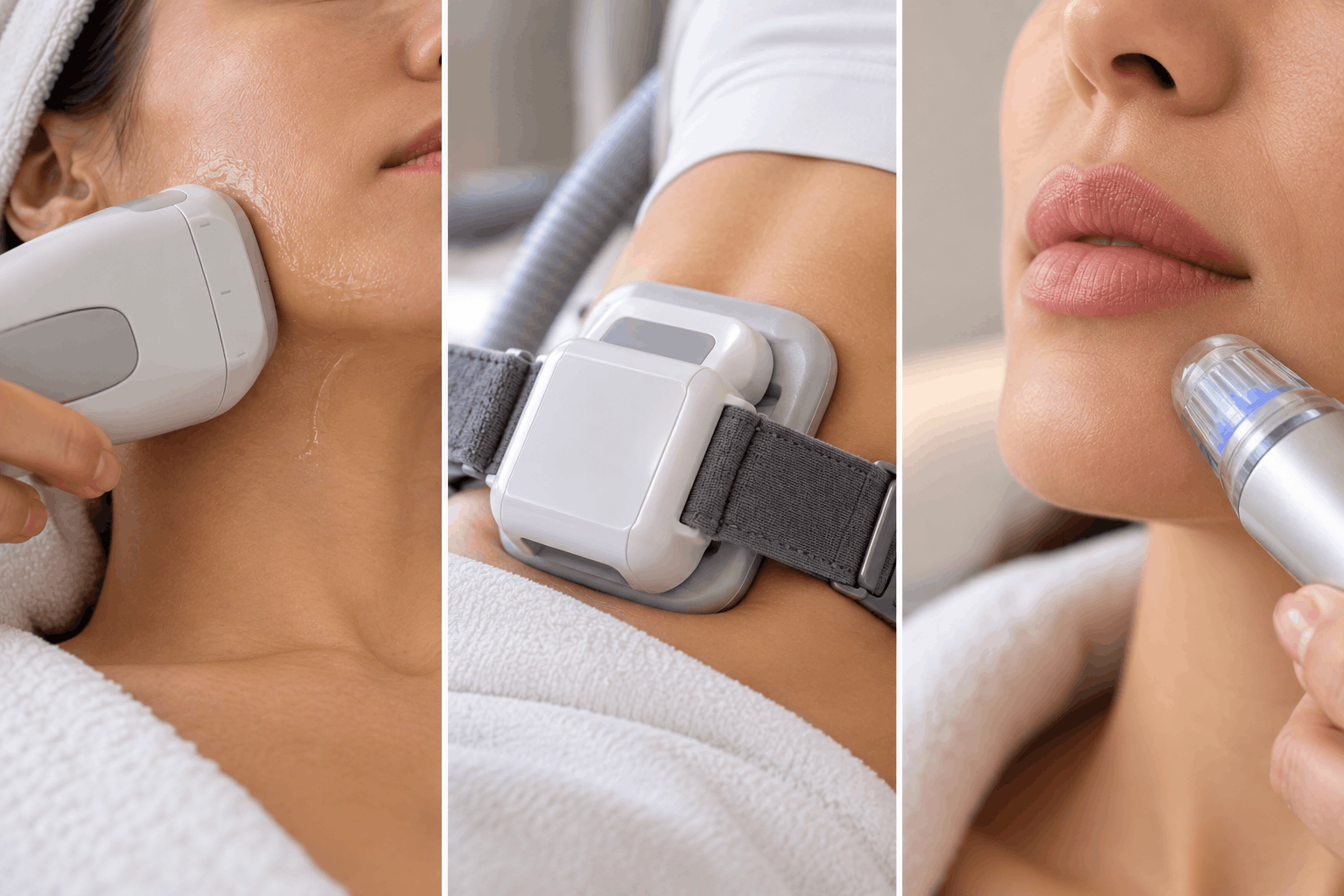
Fat Freezing uses controlled cooling to target stubborn fat cells beneath the skin. The body then gradually processes and removes the treated fat cells over the following weeks. HIFEM works differently. It uses high-intensity focused electromagnetic (HIFEM) energy to stimulate muscle tissue, creating contractions far stronger than those achieved through voluntary exercise.

Choose A Body Contouring Treatment That Matches Your Goals

Which Treatment Is Better for Fat Reduction? 

Fat Freezing suits patients dealing with the following:

  • Localised fat pockets that haven’t shifted with diet or exercise.
  • Waistline fullness and abdomen fat.
  • Flank areas and mild stubborn fat deposits.

Most people who choose Fat Freezing are already close to their goal weight and want to improve body contour without surgery. It won’t build muscle, though, and that catches some patients off guard when they see their results.

Which Treatment Focuses More on Muscle Definition?

HIFEM is built for muscle work. Stimulation, toning, core strengthening, and definition are all what it’s designed to address. It forces contractions at an intensity that regular training doesn’t reach.

Many patients also consider Emsculpt alternatives in Balwyn who want non-invasive body toning focused on muscle activation rather than Fat Freezing alone.

Can Fat Freezing and HIFEM Be Combined?

Combining them quite often gives more balanced results than either one alone. Reducing stubborn fat first can make muscle definition more visible underneath. Adding muscle stimulation can improve muscle definition and shape that fat reduction doesn’t create on its own.

If both are concerns, it is worth talking to an expert and knowing what is recommended. Some patients also consider RF skin tightening in Melbourne if skin laxity is affecting their overall body contour.

What Factors Should Patients Consider Before Choosing?

Body type, skin condition, fat distribution, muscle tone, and what you actually prefer decide the right recommendation. These things vary enough from person to person that a general answer doesn’t really help.

Patients with more significant fat deposits sometimes explore fat-dissolving injections in Melbourne depending on where the concern is and whether they’re a good candidate. A consultation is where that gets sorted. Two treatments might look similar on paper but produce quite different results on different people.

Understand Which Treatment Fits Your Body Concerns Best

Conclusion

Fat Freezing and HIFEM both support non-surgical body contouring but through different mechanisms entirely. One targets stubborn fat while the other focuses on muscle stimulation and definition. Knowing which one matches your actual goal is what makes the difference between a treatment that works and one that disappoints.

Advanced Beautytech Laser Clinic, as a trusted beauty clinic in Melbourne, provides personalised consultations and treatments tailored to different concerns. Book a personalised consultation to discuss your goals and find the treatment that best suits your needs.

FAQs

How long does it take to see results from Fat Freezing?

Fat Freezing results develop gradually as your body naturally processes and clears the treated fat cells over the following weeks. Some patients may see contour improvements in a few weeks. More noticeable fat reduction may continue over the next several months depending on the patient’s metabolism and the treatment area.

Is HIFEM a weight loss treatment?

No. HIFEM is not intended for significant weight loss. The treatment is more for muscle stimulation and toning of the body than major fat reduction. This is often preferred by patients to enhance muscle definition, contour appearance and abdominal firmness along with their healthy lifestyle habits.

Can body contouring treatments replace exercise?

Body contouring treatments are not a replacement for regular exercise and healthy nutrition. These procedures are usually performed to improve specific areas of contour or muscle tone or to treat areas of stubborn fat that do not respond to diet and exercise alone.

Are non-surgical body contouring treatments safe?

Most non-surgical body contouring treatments are low downtime procedures when done properly following a professional assessment. The suitability of the treatment depends upon medical history, body composition, skin condition, and realistic expectations of treatment discussed at consultation.

What Is HIFU, And How Does It Help With Skin Tightening?

More and more Australians are seeking non-surgical skin lifting options that don’t involve long recovering periods. The challenge is knowing which treatments penetrate enough to actually change the structure of the skin and the facial definition. Many people research skin-tightening treatments and end up: 

  • Picking the wrong skin-tightening treatment which delays visible results.
  • Inadequate treatment planning can result in extra costs and frustration.
  • Different skin concerns often require different technologies and approaches.

Advanced Beautytech Laser Clinic is one of the most trusted beauty clinics in Melbourne. We help patients decide the best treatment based on the skin types and other important factors. In this blog, we’ll learn about HIFU in detail.

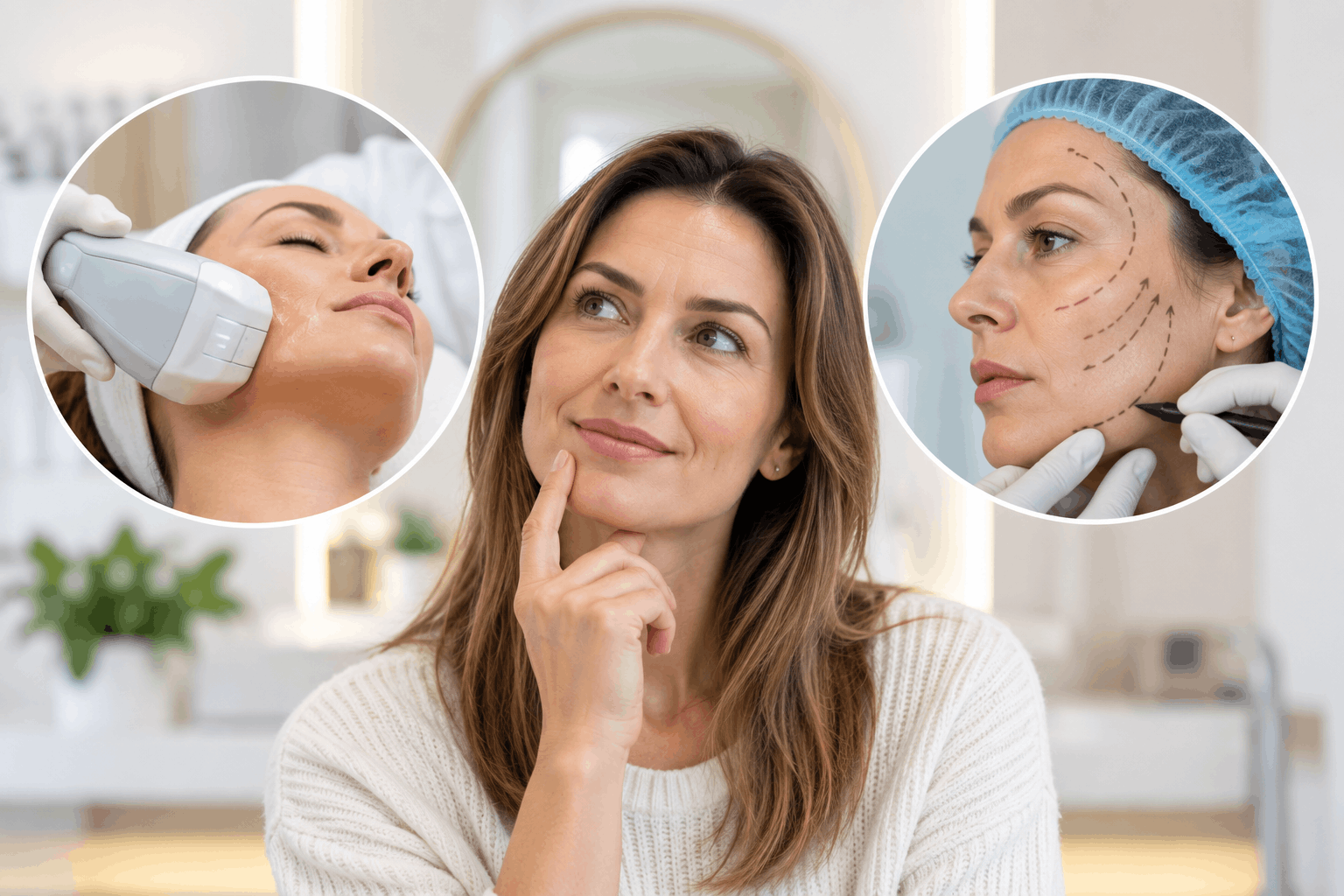
HIFU is a non-surgical ultrasound treatment that tightens skin, stimulates collagen and improves facial firmness. Many patients are turning to HIFU in Melbourne for jawline definition, mild skin lifting and gradual tightening without surgery or a long recovery time.

What Is HIFU And How Does the Treatment Work?

HIFU stands for High Intensity Focused Ultrasound. Focused ultrasound energy heats tissue layers beneath the skin. The outer skin surface stays largely unaffected during this process.

That heat triggers collagen production and tissue contraction in the weeks after treatment. Patients considering HIFU in Balwyn often come in with specific concerns such as: 

  • Jawline softening.
  • Mild skin sagging.
  • Neck looseness.
  • Reduced facial firmness.

Surface treatments cannot reach the deeper support layers HIFU targets. That is the core difference between HIFU and most other non-surgical options available today.

Restore Firmer Skin Without Surgical Procedures

Which Skin Layer Does HIFU Target?

The SMAS layer is where HIFU reaches and where surgical facelifts also work. Mild to moderate skin laxity responds well to HIFU. It is also effective for preventative maintenance before visible signs of ageing begin to appear.

Skin condition, treatment depth, and collagen quality all shape what a patient actually gets from the session. This is why a proper consultation before any booking matters more than most people expect.

How Long Does It Take to See HIFU Results?

Most people expect to see lifting right after they leave the clinic. That rarely happens with HIFU. Some early firmness comes from tissue contraction, but the collagen response takes weeks to build.

Age, skin quality, sun exposure, and lifestyle all affect how results develop. Some patients add RF skin tightening in Melbourne later as their skin goals shift. That combination works well for patients wanting more than HIFU covers on its own.

Is HIFU Painful or Unsafe?

Warmth and tingling beneath the skin. That is what most patients describe during treatment. Areas where ultrasound reaches deeper tissue tend to feel more sensitive than others.

Mild redness, swelling, or tenderness may occur after treatment, but these effects usually settle quickly. Choosing the right clinic also plays an important role in treatment safety. Energy depth, skin assessment, and treatment settings vary between providers, and those differences show up in outcomes.

How Is HIFU Different From Other Skin-Tightening Treatments?

HIFU works deep. RF skin resurfacing works at the surface, targeting texture, tone, and acne-related irregularities. A PDO thread lift in Melbourne physically repositions tissue using dissolvable threads placed just under the skin.

Each treatment works through a different mechanism and delivers different results. The right option depends on the skin concern, the stage of ageing, and what the patient wants to improve. A clinical assessment sorts that out faster than any amount of online research does.

Improve Jawline Definition With Advanced Skin Tightening

Conclusion

HIFU has become a trusted non-surgical option for Australians wanting gradual skin tightening and better facial firmness without surgery. Knowing how it works leads to better decisions and more realistic expectations about what treatment can deliver over time.

As one of the most reliable beauty clinics in Melbourne, Advanced Beautytech Laser Clinic offers personalised skin assessments and advanced cosmetic treatments suited to individual concerns. Get in touch with us today to explore the best treatment for your skin.

FAQs

Why Do Many People Choose HIFU?

HIFU is a preferred option for many since it doesn’t involve any surgical procedure. This treatment stimulates collagen production over time and is very popular for improving facial firmness, jawline definition, early skin laxity and natural-looking results.

How long do HIFU results usually last?

Several months for most patients. Skin quality, age, collagen levels, and sun exposure all affect how long results hold. Some patients book maintenance sessions to keep the collagen response active. Others find one session gives enough improvement for their needs. There is no single answer because each person’s skin responds differently after treatment.

Can HIFU replace a surgical facelift?

No. HIFU works on mild to moderate laxity. Surgery addresses more significant sagging that HIFU cannot match in degree of lift. Patients with severe looseness need a different conversation entirely. The right starting point is a clinical assessment that looks at actual skin condition rather than what any treatment is marketed to do.

Is there any downtime after HIFU treatment?

Very little for most people. Mild redness or tenderness may appear and usually settles within a day or two. Normal activities resume the same day in most cases. Invasive procedures require far more recovery time by comparison. A proper consultation and clear treatment plan reduce the chance of unexpected reactions after the session is complete.